Visualising your fitted non-linear dimension reduction model in the high-dimensional data space
Non-linear dimensional reduction (NLDR) techniques
NLDR techniques designed to capture the complex and non-linear relationships present within high-dimensional data.
Match-a-roo (1/4)
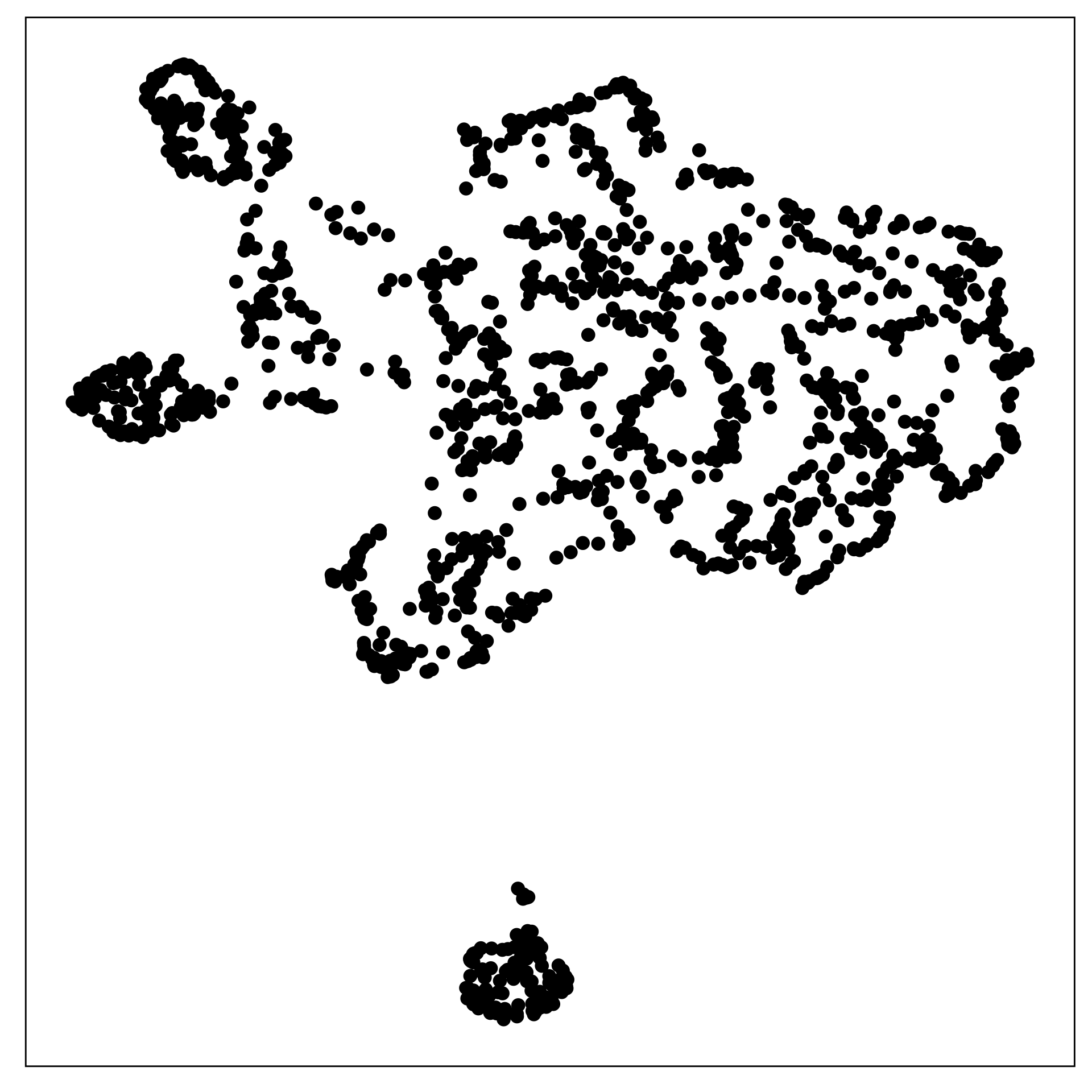
The data shown in the two displays is the
- SAME
- DIFFERENT
Match-a-roo (2/4)
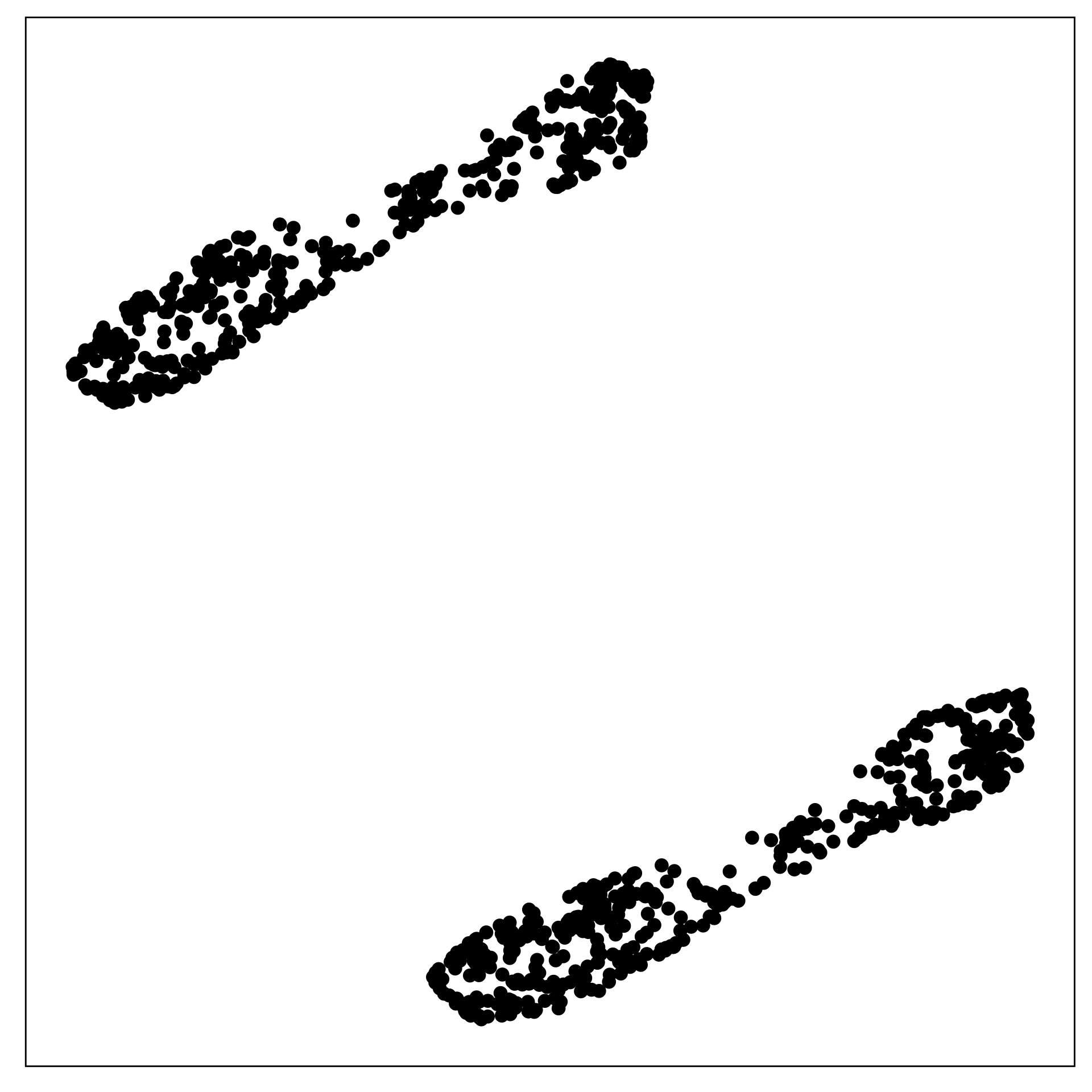
The data shown in the two displays is the
- SAME
- DIFFERENT
Match-a-roo (3/4)
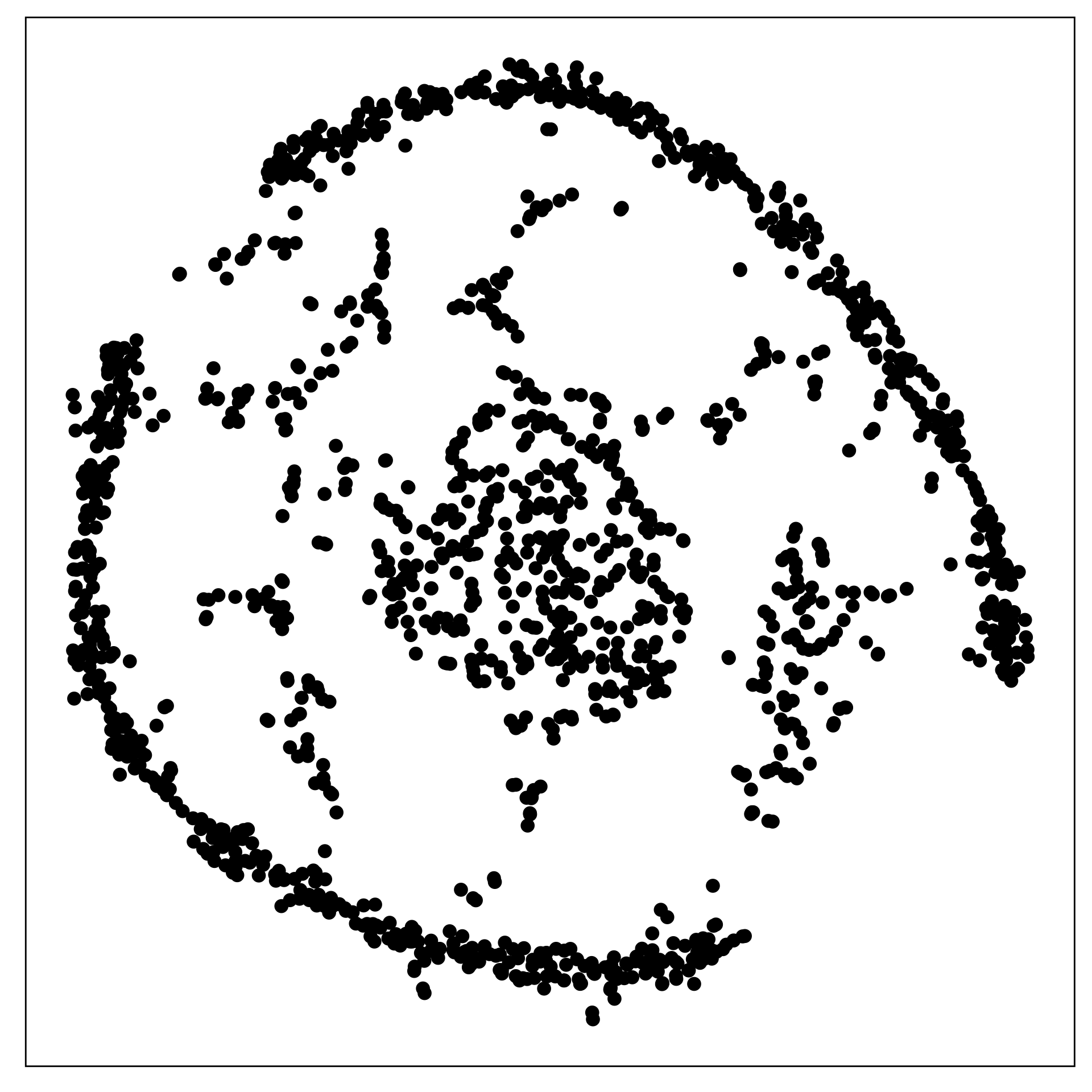
The data shown in the two displays is the
- SAME
- DIFFERENT
Match-a-roo (4/4)
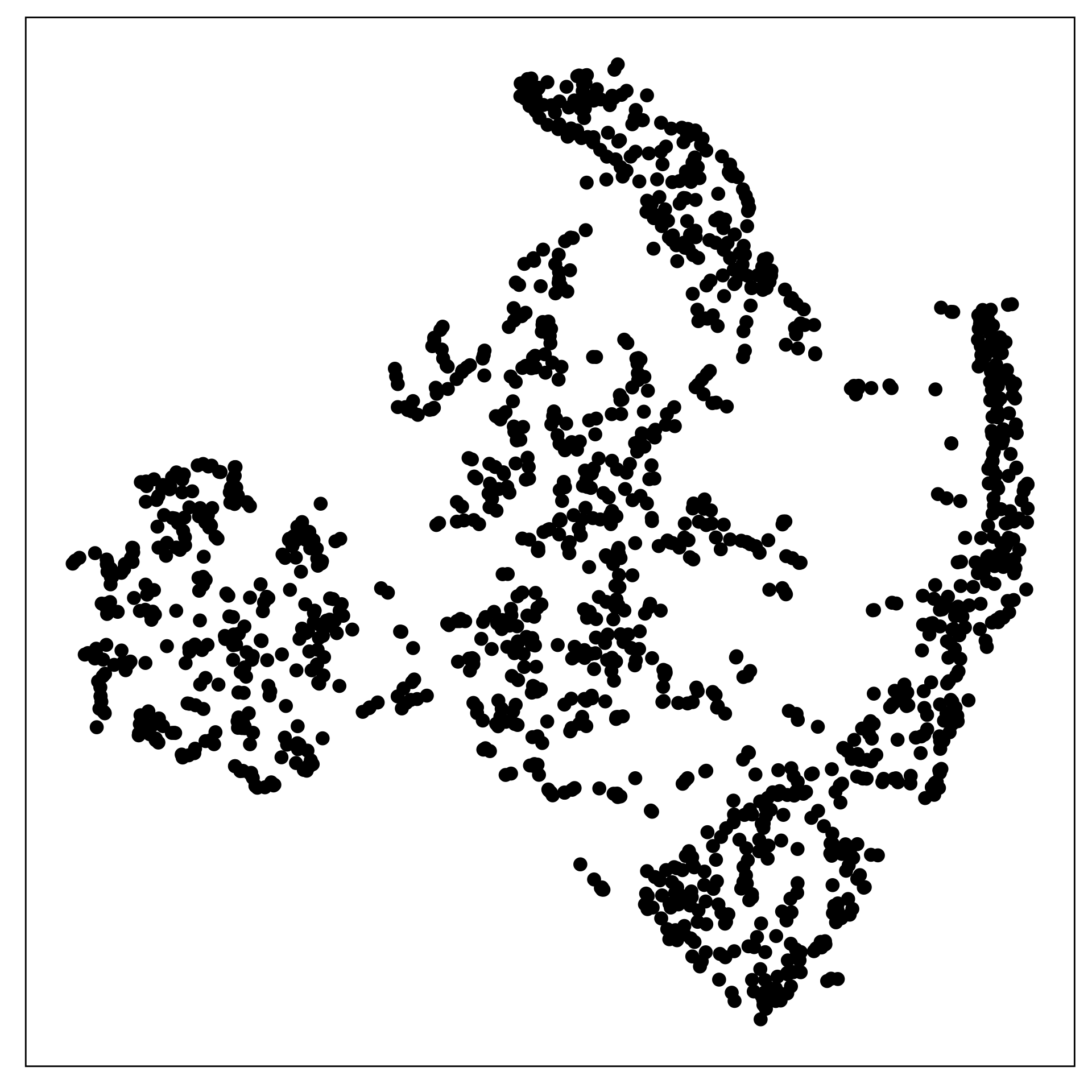
The data shown in the two displays is the
- SAME
- DIFFERENT
Motivation
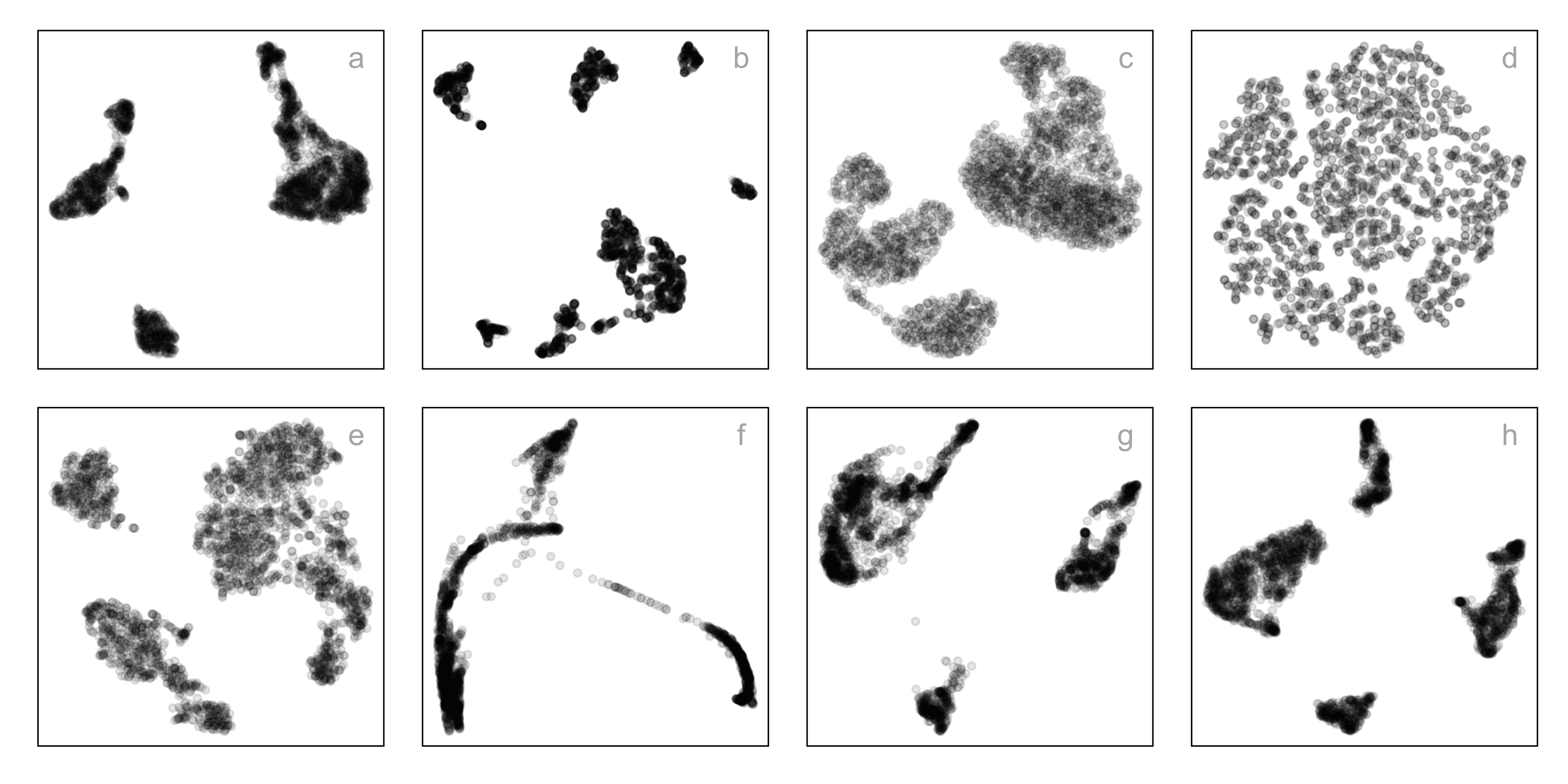
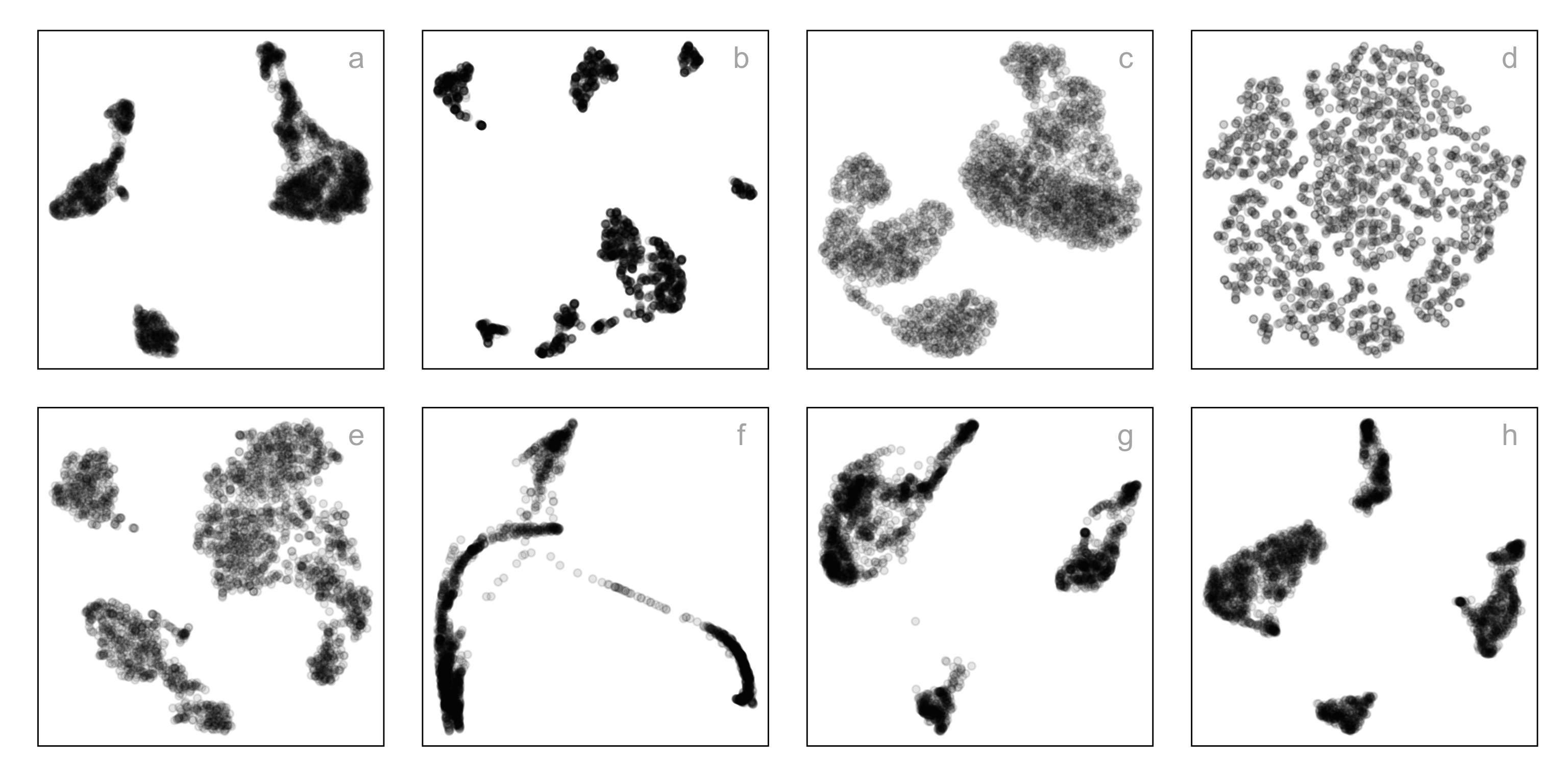
Single-cell gene expression: same data, different NLDR + hyper-parameters
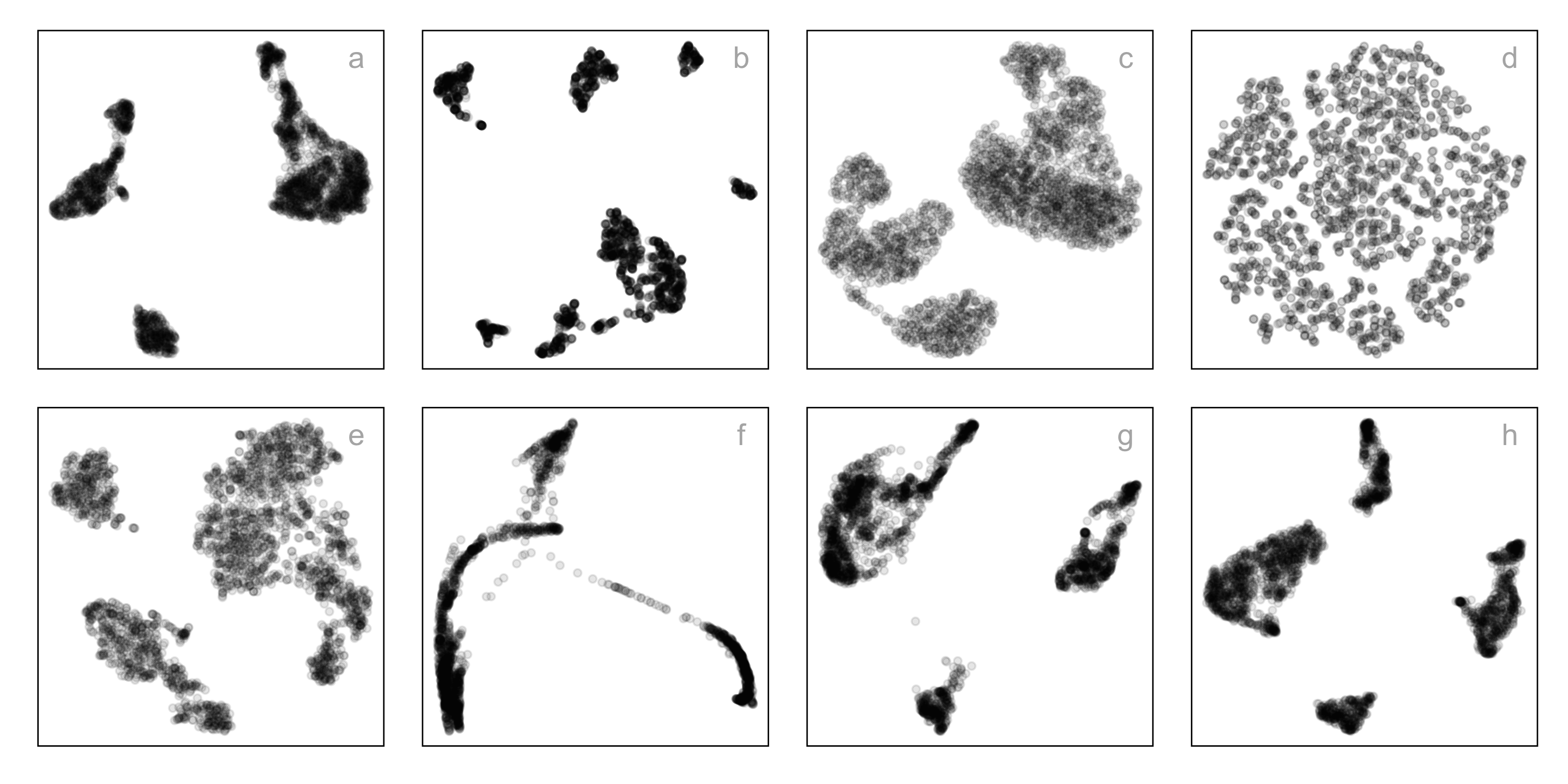
How do you decide which is the most reasonable representation?
This is the published figure.
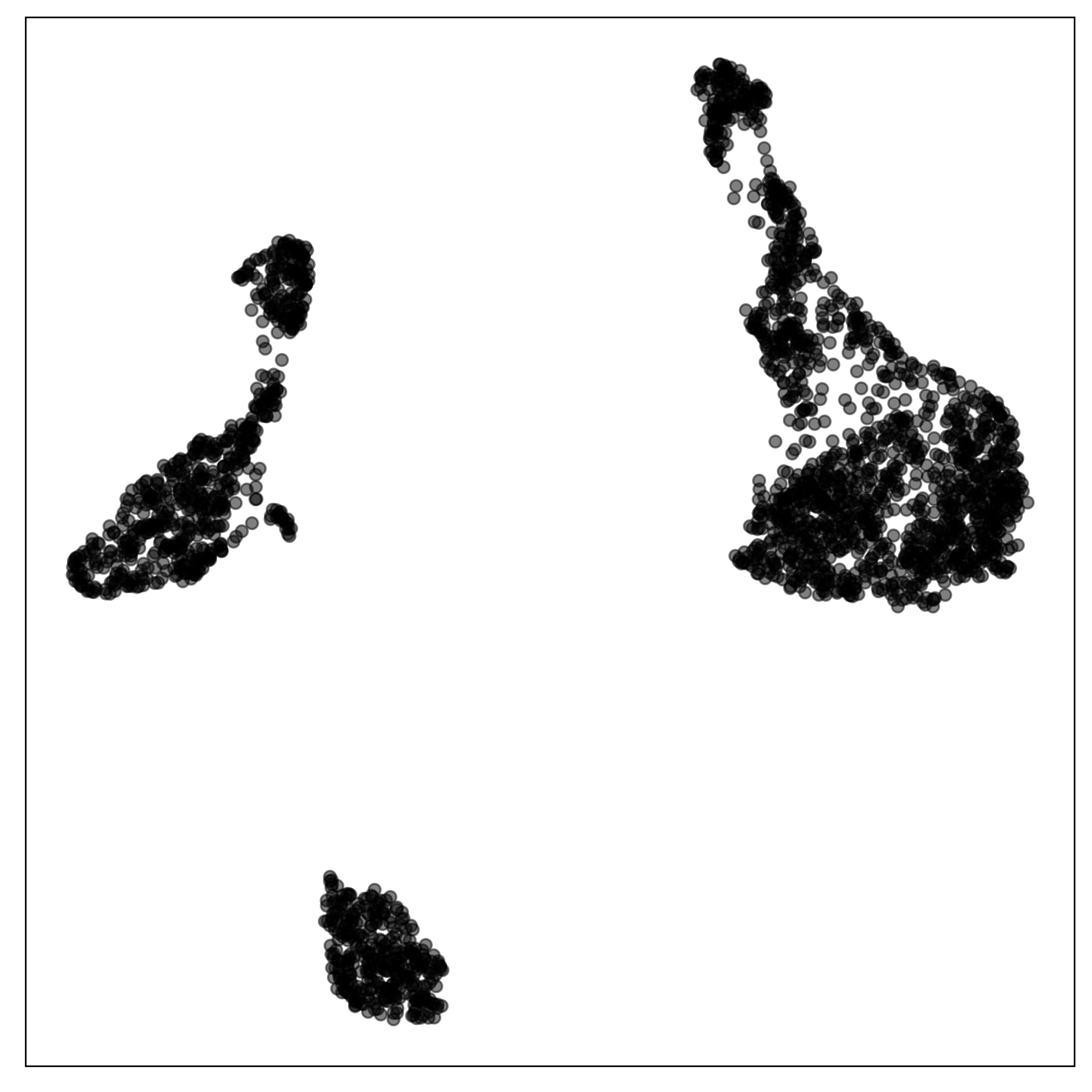
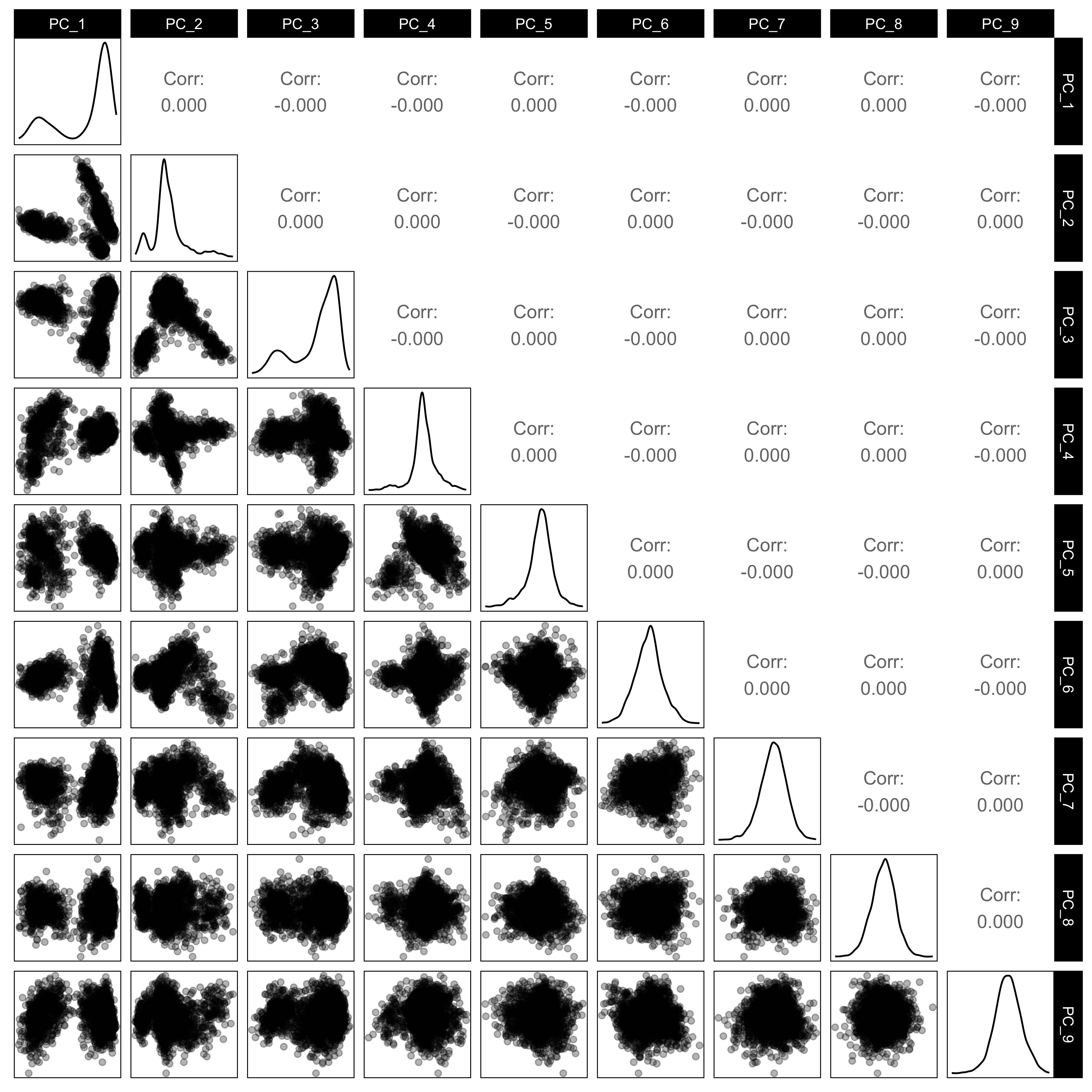
Here is the 9D data viewed using a grand tour, linear projections into 2D.
data-in-the-model-space
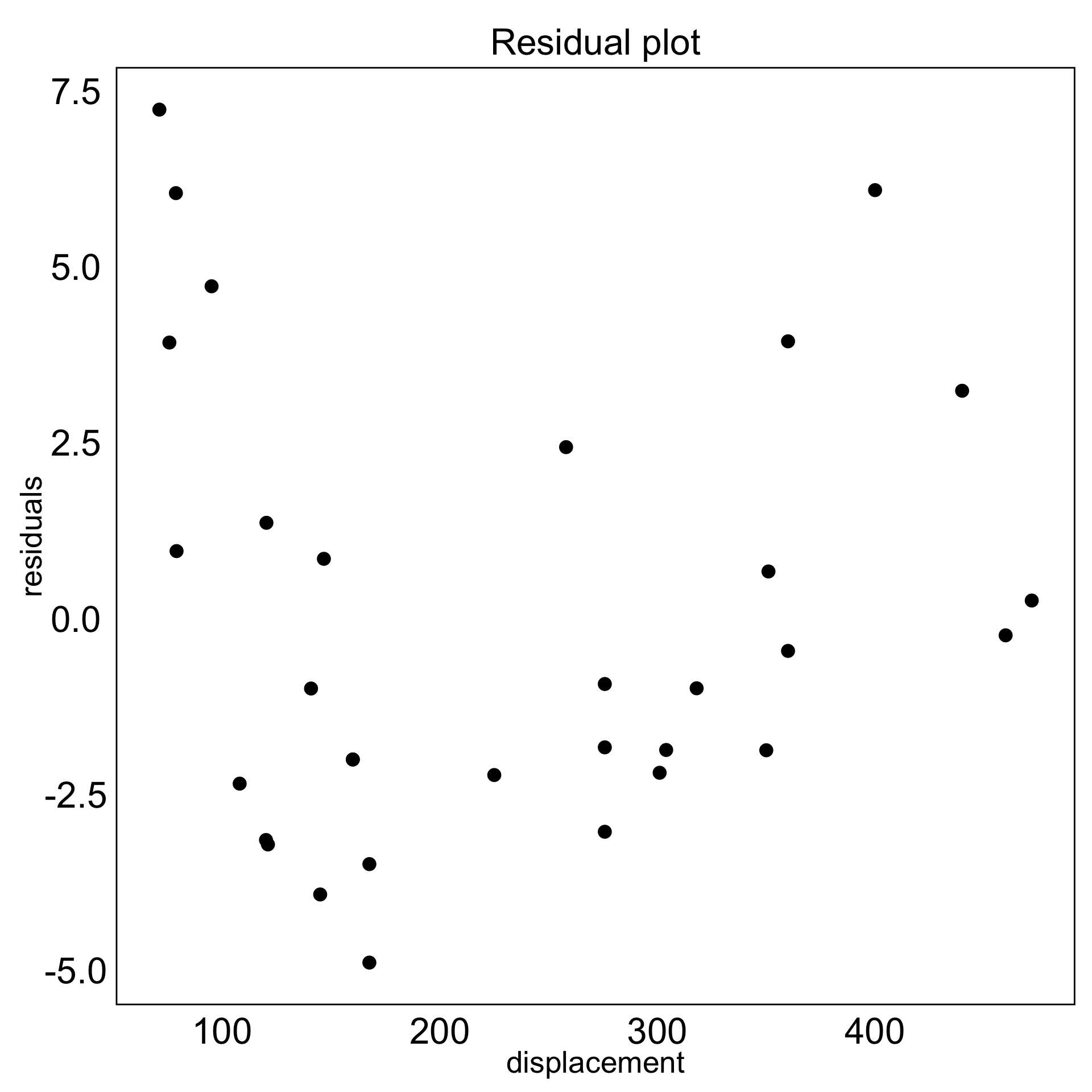
model-in-the-data-space
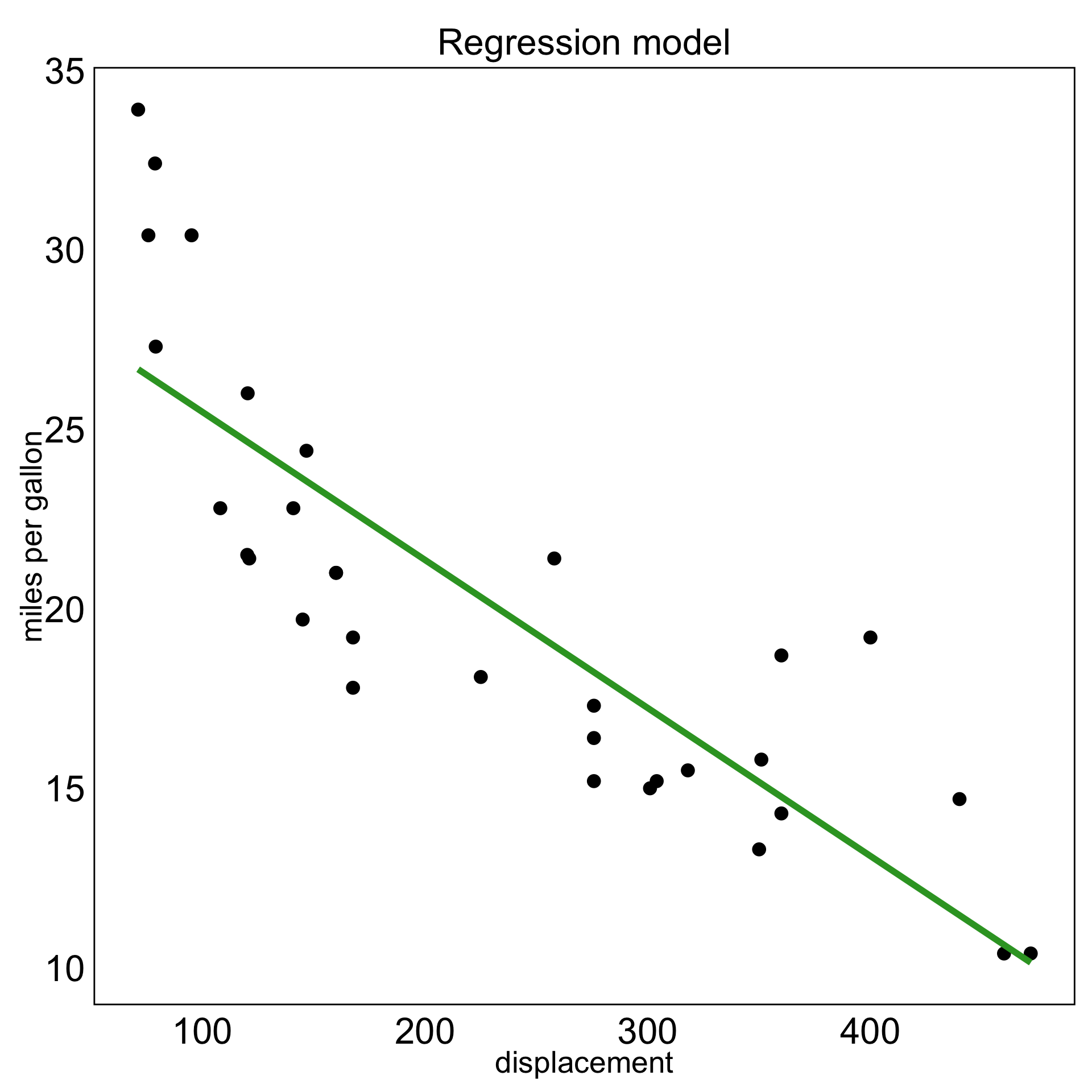
data-in-the-model-space
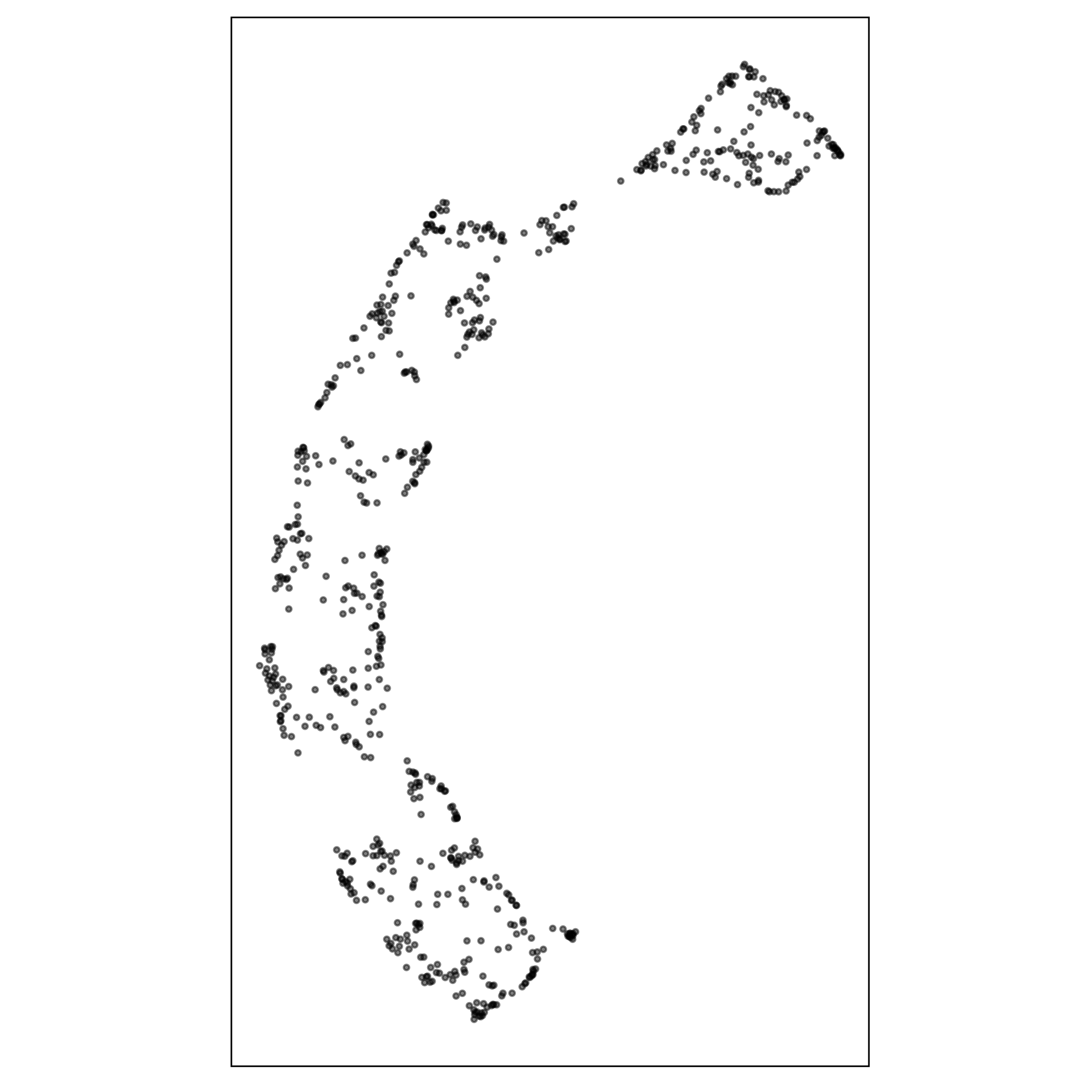
What is the model?
data-in-the-model-space
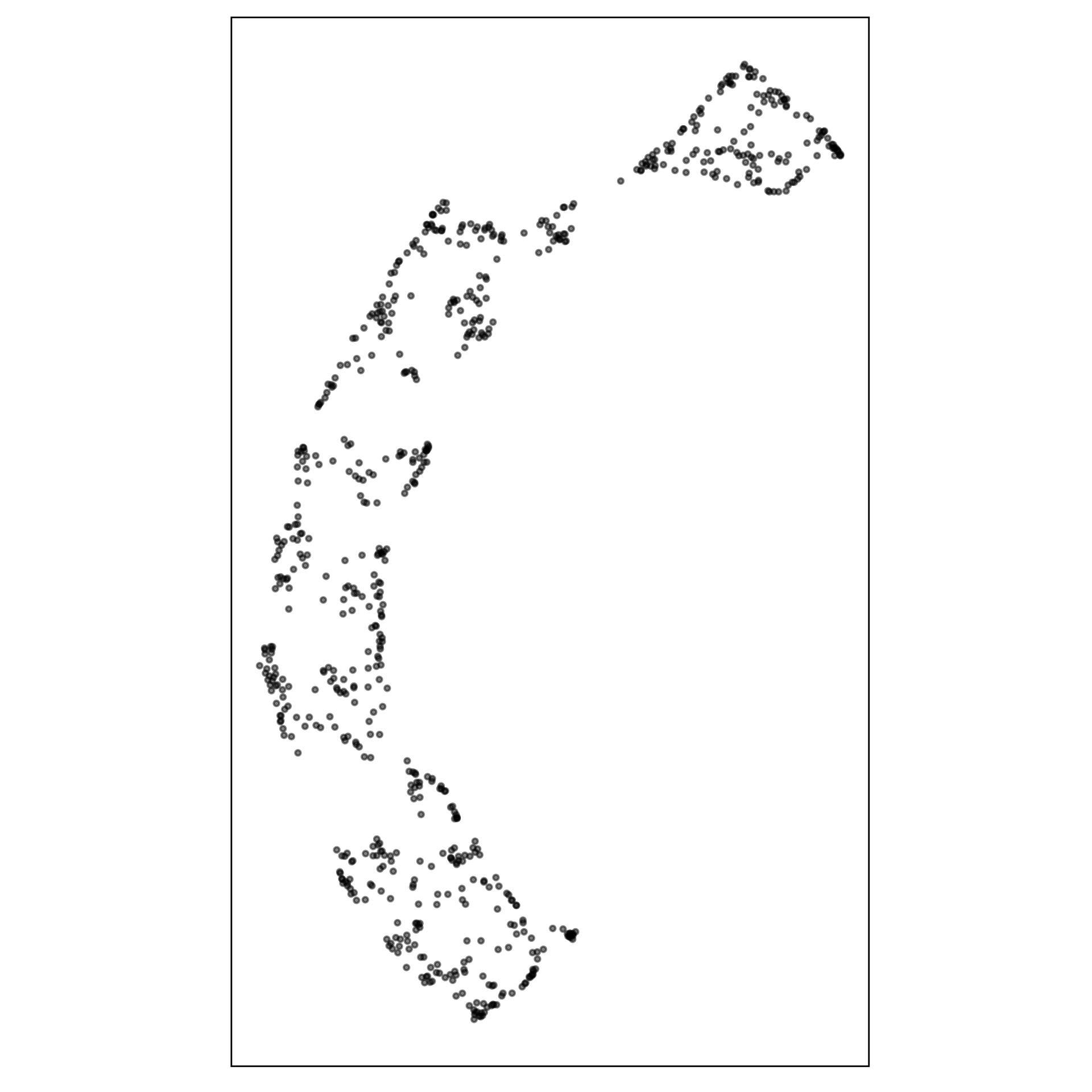
model-in-the-data-space
Overview of method
1. Construct the \(2\text{-}D\) model
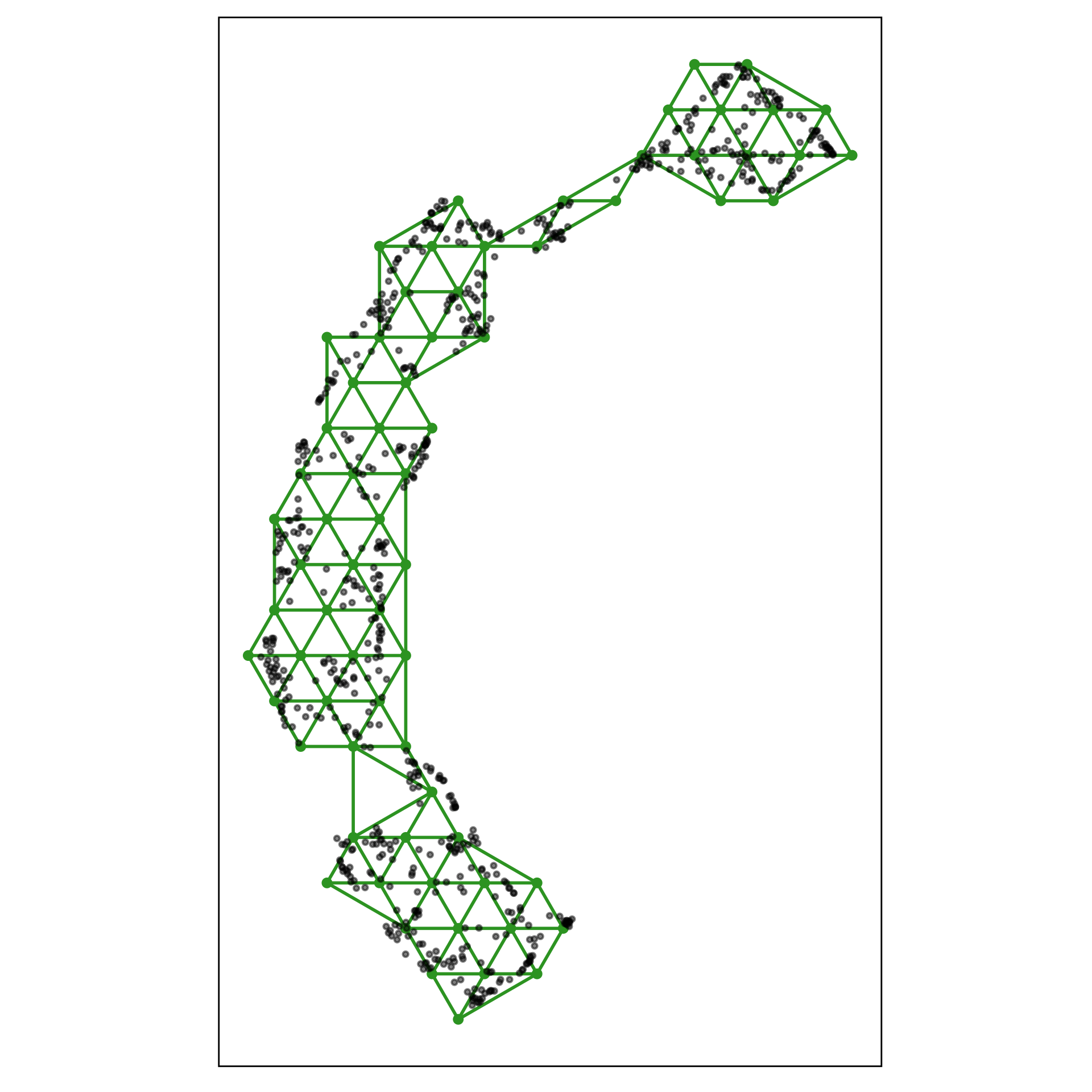
2. Lift the model into high-dimensions
Steps of the algorithm
1. Construct the \(2\text{-}D\) model
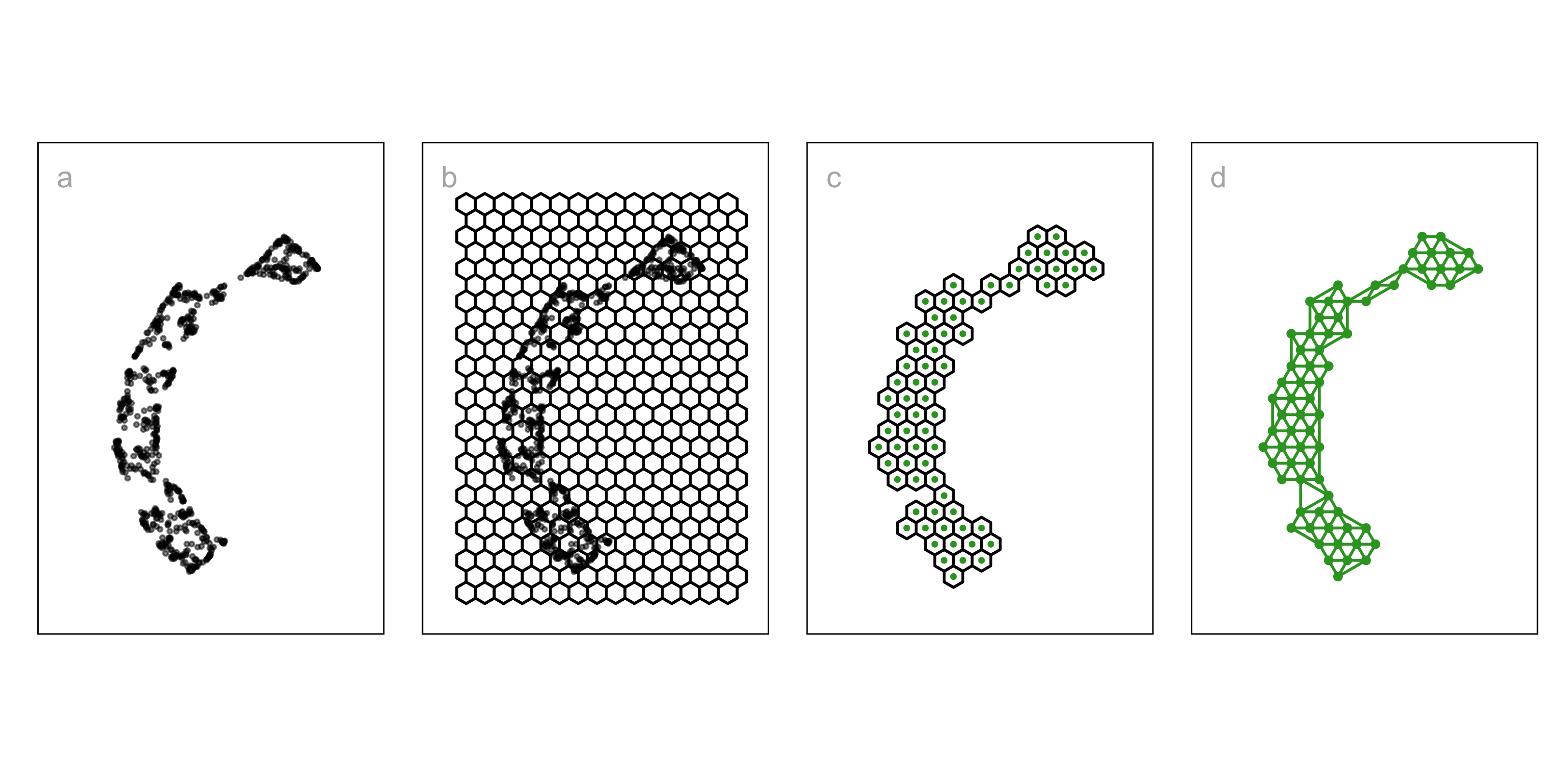
- NLDR layout, b. hex bin , c. bin centers, d. triangulation wire frame.
Steps of the algorithm
2. Lift the model into high-dimensions

Candidates for NLDR layout
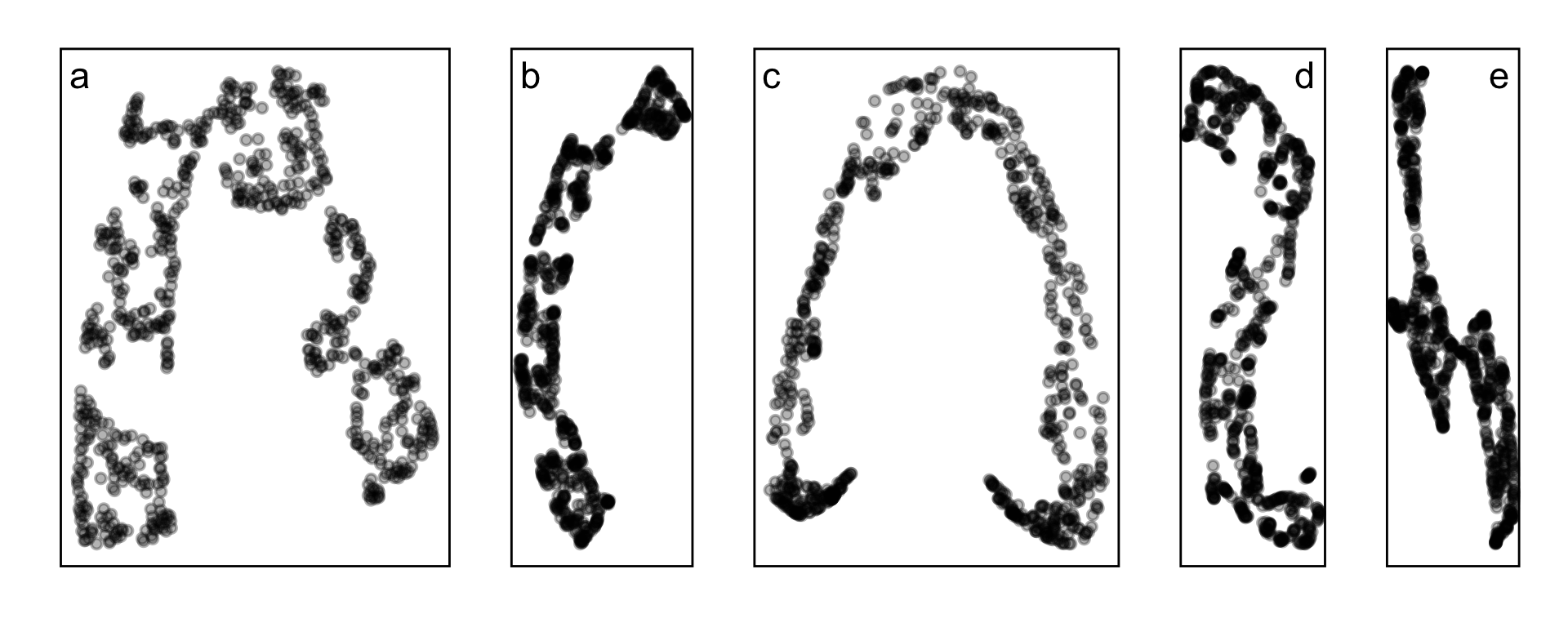
- tSNE, b. UMAP, c. PHATE, d. TriMAP, e. PaCMAP
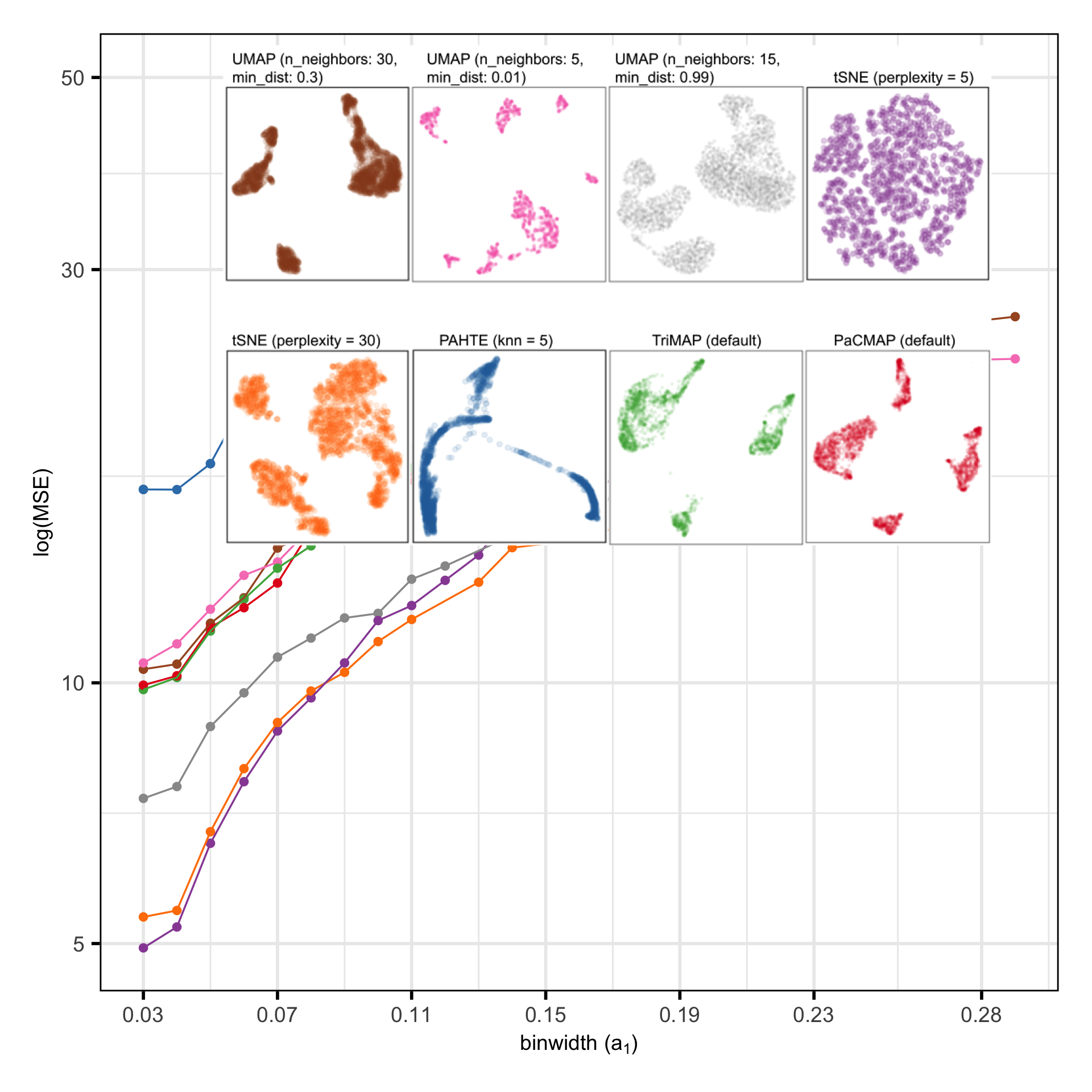
MSE of candidates

- PHATE not competitive
- Not much difference between any other method based on Error
- No elbow, just gradual decrease as number of (non-empty) bins increase
Chosen fit for S-curve
tSNE with perplexity: 27
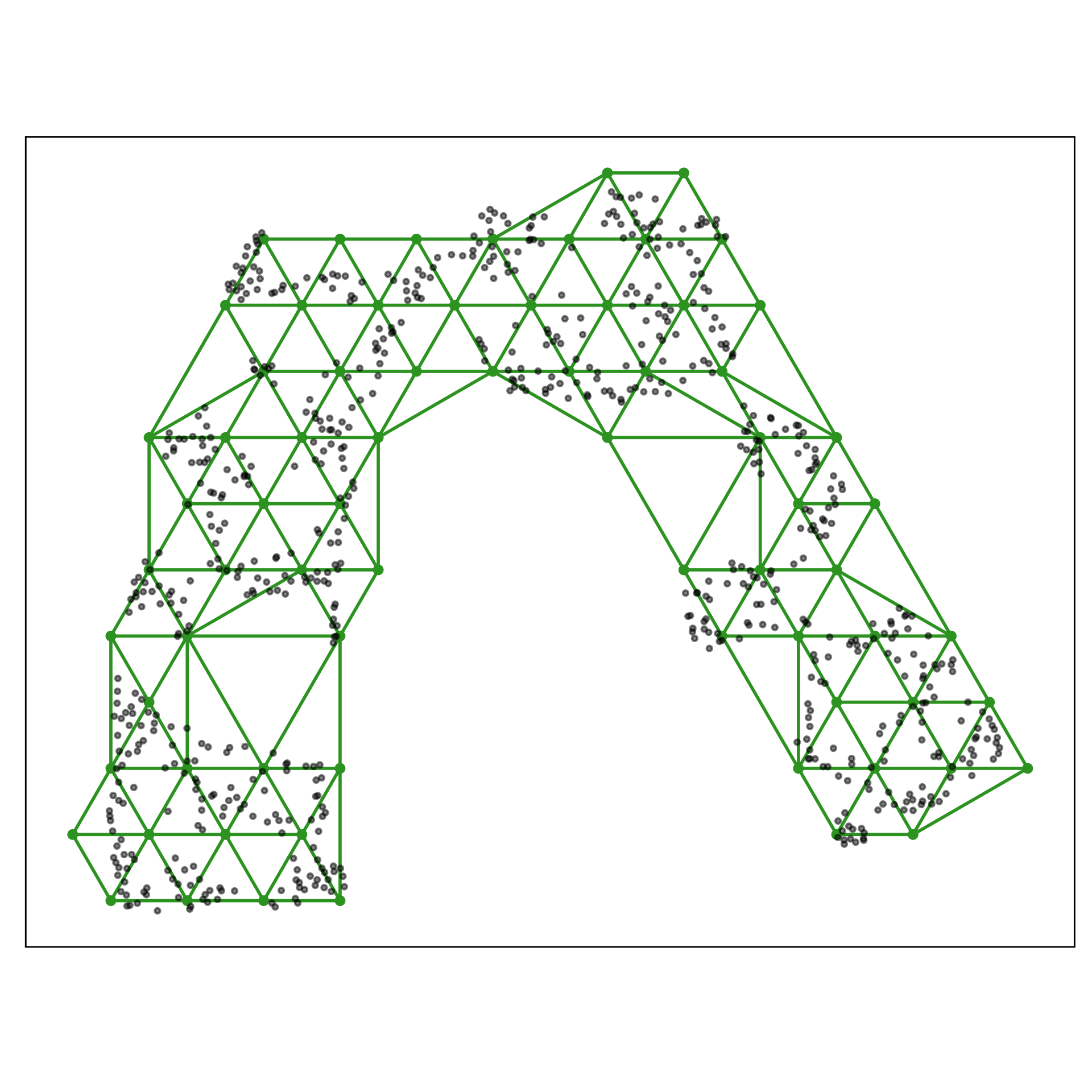
Fills out the width of the S
Pretty good! Can you see the twist??
PBMC data set
MSE of candidates
Chosen fit for PBMC data set
tSNE with perplexity: 30
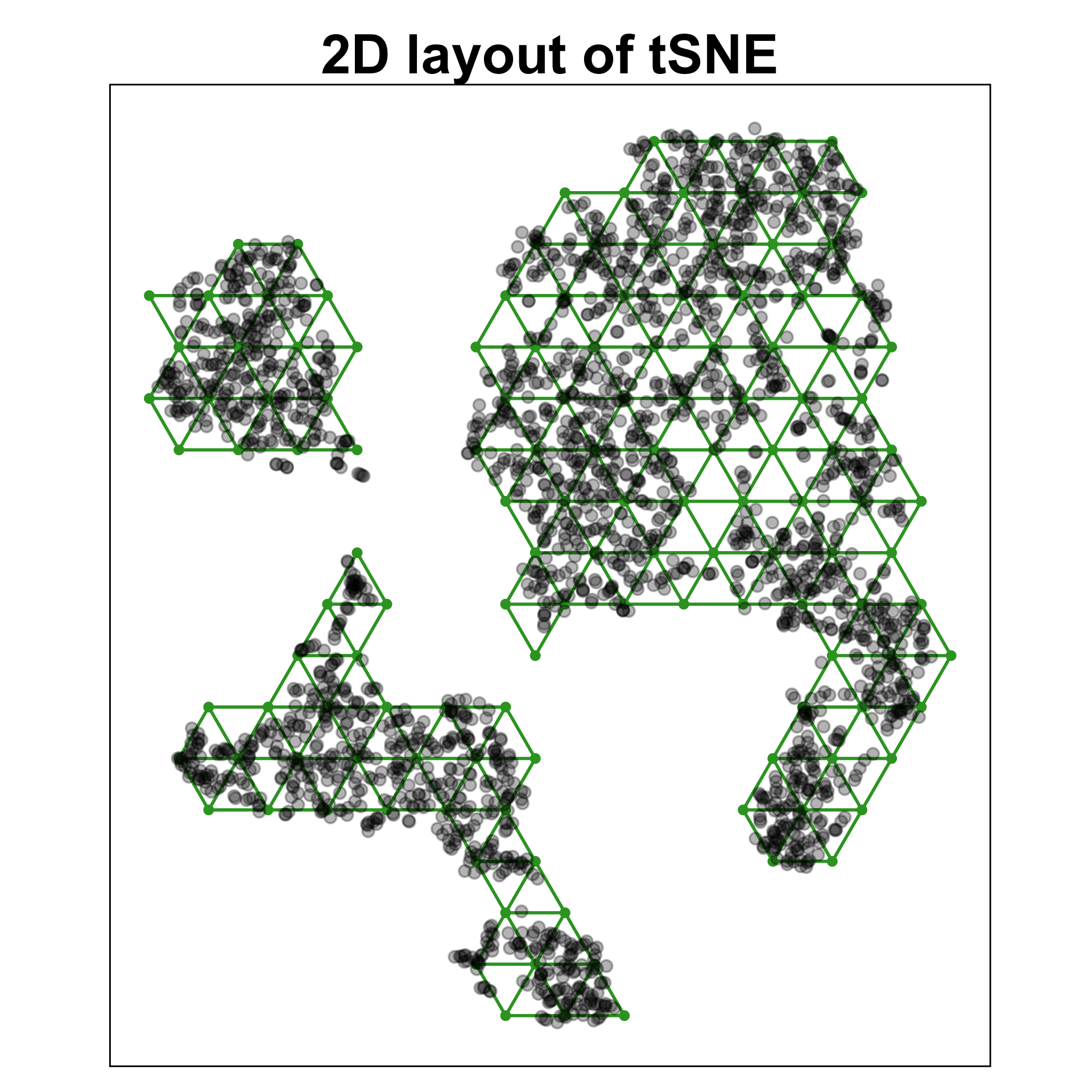
Clusters with small separations, non-linear clusters
Densed points, filled out clusters


quollr
questioning how a high-dimensional object looks in low-dimensions using r

Jayani P.G. Lakshika 
Collaborators: Prof. Dianne Cook, Dr. Paul Harrison, Dr. Michael Lydeamore, Dr. Thiyanga S. Talagala